How to keep it looking real
- 1
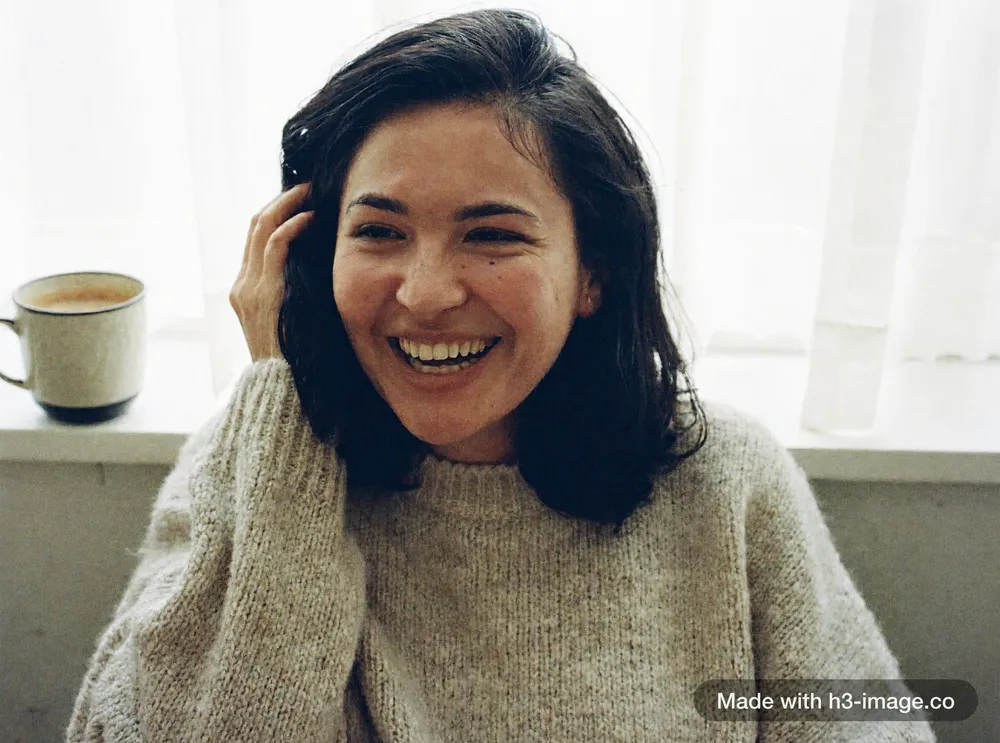
Go close. A close-up or extreme close-up gives skin, hair and eyes the most detail.
- 2
Name the imperfections you want to see: visible pores, fine hair, stray strands, no retouching.
- 3
Describe the light instead of the camera: where it comes from, how soft it is, and what the exposure is set for.
- 4
Catch a half-finished action with the eyes off camera, and end with a short avoid list such as plastic skin or heavy smoothing.
More examples
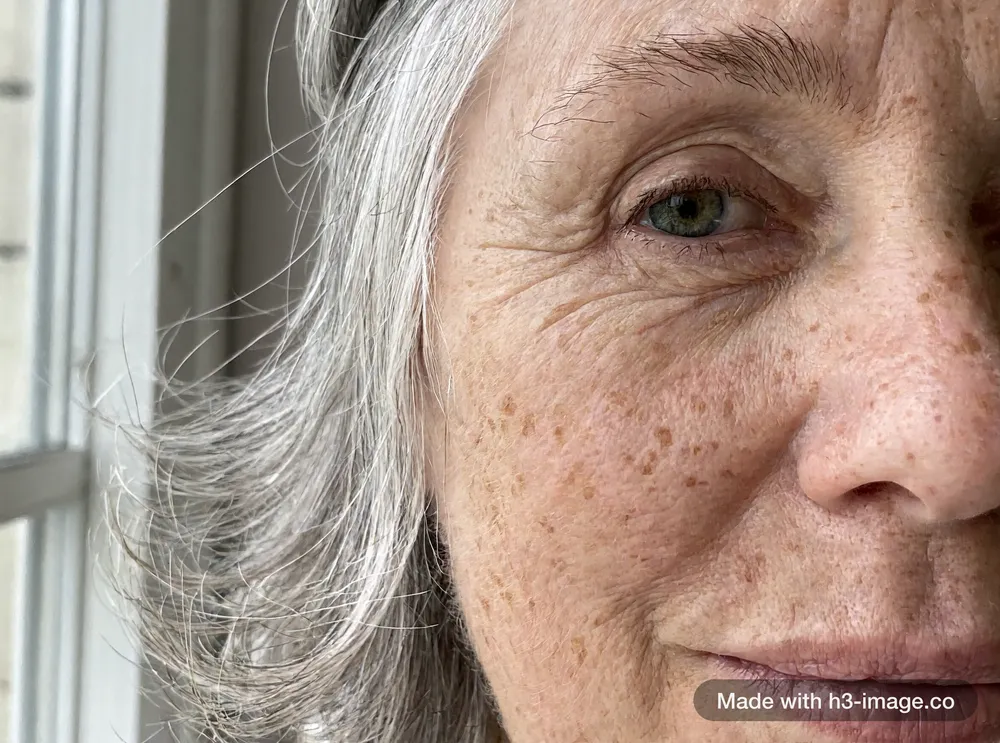
Skin that isn't airbrushed
Pores, fine lines and peach fuzz stay in, even in an extreme close-up.
Prompt +
Extreme close-up portrait of a woman in her sixties with silver hair and freckles, half of her face filling the frame, soft window light from the left. Visible pores, fine lines around the eye, faint peach fuzz on the cheek, a few stray eyebrow hairs, natural lip texture, a grey-green iris with fine detail. No makeup, no retouching. Avoid: plastic skin, airbrushed smoothing, waxy highlights.

Phone and flash snapshots
Off-centre framing, harsh flash and a mid-laugh moment instead of a studio pose.
Prompt +
Phone snapshot taken with direct flash at a small dinner party at night: a man in his late twenties with curly hair and round glasses, mid-laugh, turning toward a friend off-frame while holding a wine glass, a candle-lit table with half-empty plates in front of him. Close-up from the chest up, casual off-centre framing. Harsh on-camera flash, dark warm room behind him, slight motion blur in the background. Real skin with a little shine on the forehead, no retouching.
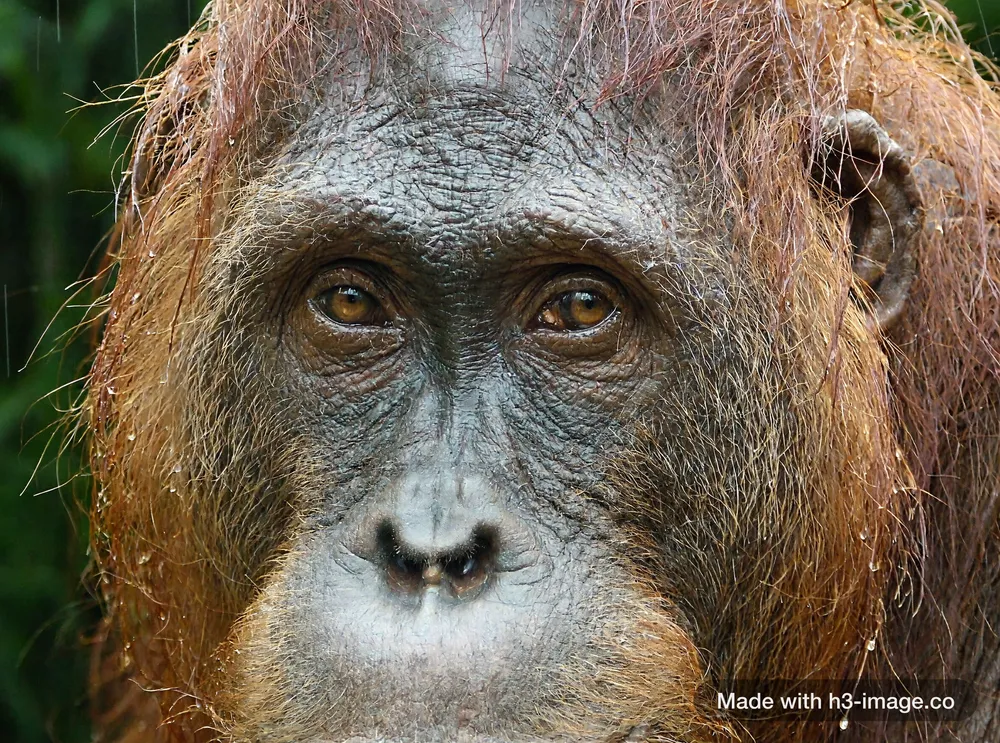
Fur, hair and wet detail
Single strands, water droplets and wrinkled skin hold up when you look closely.
Prompt +
Extreme close-up portrait of an old male orangutan in light rain, his face and long orange-brown hair filling the frame, water droplets clinging to individual hair strands, deep wrinkles and rough skin texture around the eyes and cheek pads, calm amber eyes looking just past the camera. Overcast jungle light, dark green blurred background, wildlife photography, tack-sharp detail.
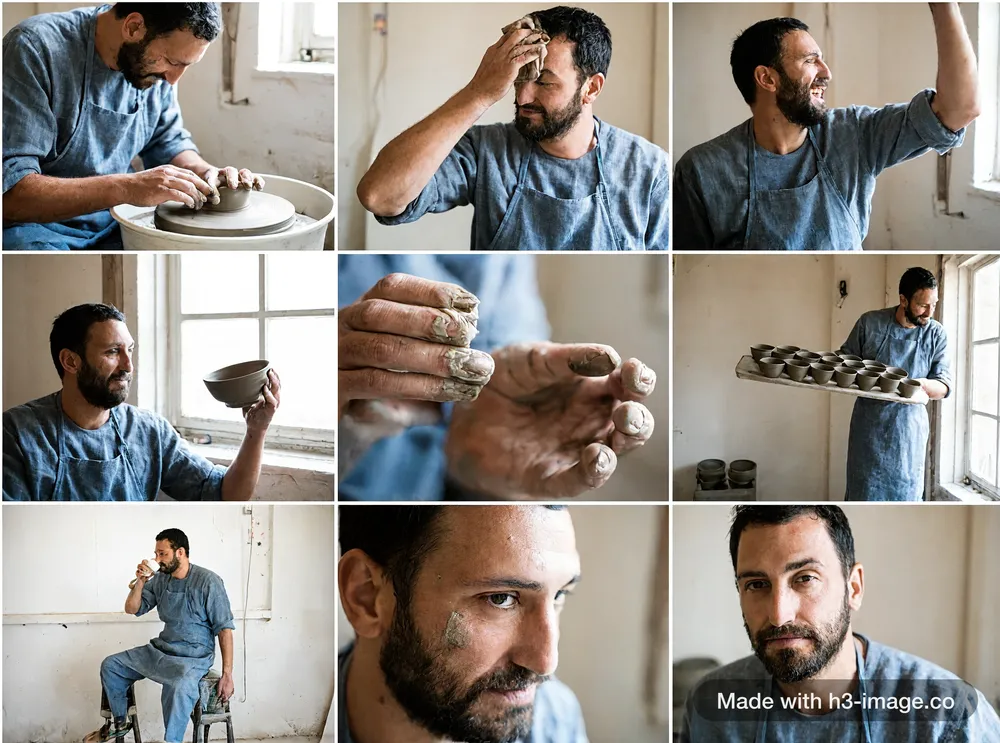
One face across a contact sheet
Nine candid frames of the same person, with the face, hair and clothes kept the same.
Prompt +
A contact sheet of nine photos in a 3×3 grid with thin white borders, all of the same man on the same morning: a potter in his forties with a short dark beard, rolled-up sleeves and a blue linen apron, in a sunlit pottery studio. Frames: hands shaping clay on the wheel, wiping his forehead with his wrist, laughing at someone off-frame, holding a bowl up to the window, close-up of clay-covered fingers, carrying a board of cups, drinking tea on a stool, close-up of his face with a smear of clay on his cheek, and one frame looking into the camera. Same face, beard and apron in every frame. Soft window light, documentary snapshot style, fine grain.
What testers found
One tester built a nine-frame at-home photo set from a long, rule-based prompt and reported that loose hair, ribbed cotton and a small mole under the eye stayed visible, with the face holding across poses. Their rules: describe the light rather than lens settings, use half-finished actions, and finish with an avoid list.
@AYi_AInotesA side-by-side test of a gorilla portrait reported a 4K result in about 13 seconds, with fur, skin texture and sharpness holding up.
@0x_fokki